Autism Therapy Sydney
Autism Therapy That Starts With Understanding
Being autistic can shape the way you experience communication, relationships, emotions, sensory environments, routines, and everyday life. While these differences can bring unique strengths, they can also make everyday spaces harder to navigate when those spaces assume everyone thinks the same way.
Many autistic people spend years feeling misunderstood, masking their differences, or trying to fit into environments that don’t support their needs. Over time, this can contribute to anxiety, depression, stress, burnout, low self-esteem, and difficulties maintaining well-being.
At FORME Psychology, we provide neurodiversity-affirming Autism Spectrum Disorder (ASD) therapy for children, adolescents, and adults. Our goal is to help people better understand themselves, navigate life’s challenges, and develop strategies that support long-term well-being without trying to change who they are. Sessions are available in-person in Sydney CBD and via telehealth across Australia.
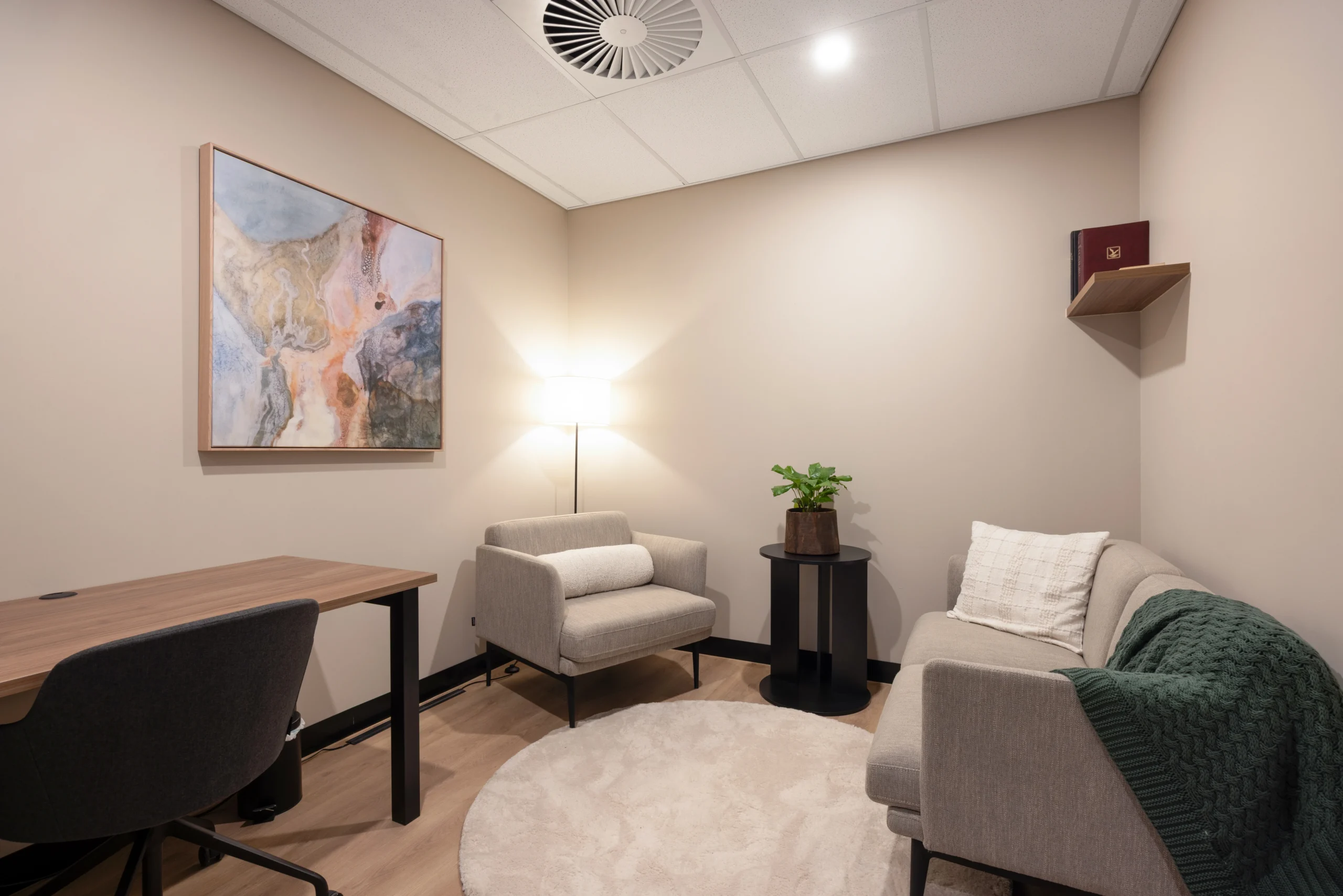
Why Autism Therapy Matters
Instead, therapy focuses on understanding how a person experiences the world and identifying practical ways to support their well-being, relationships, communication, emotional health, and daily functioning.
For many people, therapy provides a space to:
- Better understand their autistic identity
- Explore strengths and support needs
- Reduce anxiety, stress, and overwhelm
- Navigate sensory challenges
- Build emotional regulation skills
- Manage autistic burnout and fatigue
- Improve self-advocacy and communication
- Strengthen confidence and self-acceptance
- Navigate relationships, school, work, and life transitions
For parents, therapy may also provide guidance and support in understanding and responding to their child’s unique needs.
Who We Support With Our Autism Therapy in Sydney
Children
Adolescents
Adults
How Autism Therapy May Help
Areas we commonly support include:
- Anxiety and stress
- Depression and low mood
- Emotional regulation
- Autistic burnout
- Sensory overwhelm
- Self-esteem and self-acceptance
- Social and relationship challenges
- Communication and self-advocacy
- School or workplace difficulties
- Life transitions
- Identity exploration following diagnosis
- Managing co-occurring ADHD
- Parent and family support


You do not need to be in crisis to benefit from autism therapy or post-diagnostic support. Consider reaching out if any of the following resonates:
- A recent diagnosis or suspect you are autistic and do not know what to do with that information
- You are exhausted from constantly masking or trying to fit in
- You struggle with work, relationships, or daily life in ways that feel out of proportion to the effort you are putting in
- You feel that therapy or support you have received in the past did not make sense for how you actually think
- You want to understand yourself better and build supportive strategies
- Your child has received an autism diagnosis and you want support for them and your family
Hoping to better understand yourself and build a life that supports your needs?
Autism therapy aims to provide insight, support, and practical tools.
Our Approach to Autism Therapy
At FORME Psychology, we believe autism is a natural variation in human neurodevelopment, not something that needs to be ‘fixed’. Our approach focuses on understanding, acceptance, and support to help people thrive in ways that feel authentic and sustainable.
Therapy is tailored to each unique person and is grounded in evidence-based psychological approaches, such as Cognitive Behavioural Therapy, Acceptance and Commitment Therapy, Dialectical Behaviour Therapy, and Schema Therapy (adapted for neurodivergent presentations). These approaches are thoughtfully adapted to suit each person's communication style, sensory needs, and processing preferences, and we work collaboratively with new clients to identify goals, understand challenges, and develop practical strategies that support everyday life.
We strive to create a safe and inclusive environment where clients feel heard, respected, and supported throughout their therapy journey.
| Approach | How It Helps With Autism |
|---|---|
| Cognitive Behavioural Therapy (CBT) | Adapted for autistic thinking styles, CBT can help address co-occurring anxiety and depression, cognitive rigidity, and unhelpful thought patterns when delivered by a clinician who understands how autistic minds work. |
| Acceptance & Commitment Therapy (ACT) | Highly suitable for autistic individuals. Focuses on clarifying values, building psychological flexibility, and creating a rich, meaningful life, without requiring you to change who you are. Particularly useful for identity work and post-diagnostic support. |
| Dialectical Behaviour Therapy (DBT) | Provides concrete skills for emotional regulation, distress tolerance, and interpersonal effectiveness. Particularly helpful for autistic individuals who experience intense emotions or meltdowns, or who struggle with rejection sensitivity. |
| Narrative Therapy (NT) | Explores the stories you have been told and tell yourself about what it means to be autistic. Particularly valuable for late-diagnosed adults processing years of misunderstanding, and for rebuilding identity and self-worth on neurodiversity-affirming terms. |
The Autism Therapy Process
Initial Consultation
Assessment (if required)
Developing Personalised Strategies
Ongoing Support

Child and Adult Autism Therapy Fees
Initial Clinical Assessment - (50 minutes):
Ongoing Individual Therapy Session - (50 minutes):
Your Psychologist
Dr Bernadette Maunick, DPsych (Clinical), MAPS
With experience in both diagnostic assessment and therapy, our compassionate team is well-placed to support you with your autism diagnosis. Meet your psychologist today and learn more about their experience.
Dr Bernadette Maunick is a registered Clinical Psychologist and a Member of the Australian Psychological Society (MAPS) and its College of Clinical Psychologists. Dr Maunick completed her Doctor of Psychology (Clinical) at Deakin University in Melbourne.
Dr Maunick works with clients across the lifespan, supporting concerns such as anxiety, depression, ADHD, autism, trauma, burnout, low self-esteem, and relationship difficulties. She has experience across private and public mental health settings, including hospitals and private clinics.
Drawing on evidence-based approaches, Dr Maunick creates a warm, collaborative space where clients can understand how past experiences shape the present and build practical skills for everyday life.

Ongoing Autism Support Beyond Therapy





Your Autism Therapy Questions Answered
Interested in Evidence-Based Autism Therapy? Speak With a Clinical Psychologist Today
Whether you’re seeking support for yourself, your child, or your family, autism therapy aims to provide a safe, supportive space to better understand your experiences, develop practical strategies, and improve overall well-being.
At FORME Psychology, we’re committed to providing compassionate, evidence-based, and neurodiversity-affirming care that aims to help people feel understood, supported, and empowered.